Nintendo has no plans for another Switch 2 price hike, but won't rule one out
Furukawa says memory supply is secure, yet Nintendo will consider new prices if rising costs can't be absorbed. Switch 2 shipments fell 37.4% in the half-year.
Stories on esportz.fun are written by the esportz.fun team under house pen names. About our authors
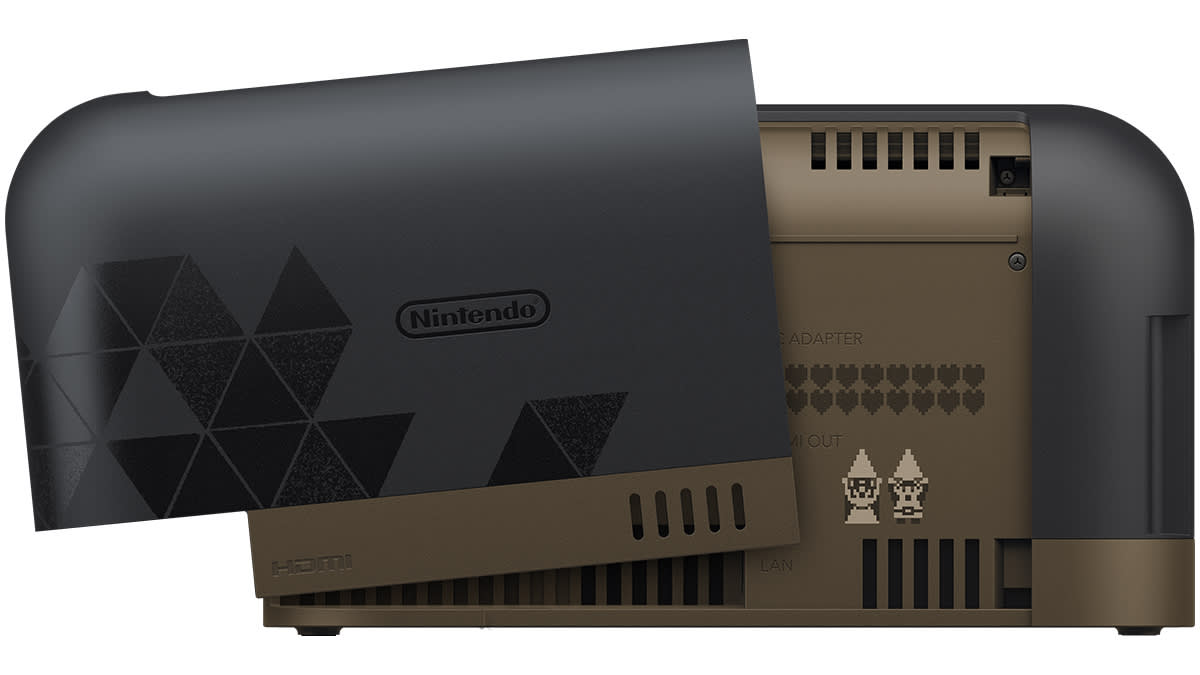
Nintendo is "not considering additional changes" to the Switch 2's price, president Shuntaro Furukawa said after the company's half-year results on November 5, 2026, according to Reuters as reported by The Verge. He added that Nintendo can secure enough memory to keep building the console, despite the AI-driven shortage that has pushed up PlayStation and Xbox prices.
That is not a promise. In the same briefing's Q&A, Furukawa said Nintendo would have to consider new prices if it cannot absorb rising costs over the medium to long term.
What's confirmed
Furukawa's words. "There has been no major change to the memory situation and Nintendo is in a position to secure sufficient quantities," he said, as quoted by Reuters. On hardware pricing, Game*Spark's write-up of the investor Q&A quotes him saying Nintendo tries to cover cost increases through efficiency and to keep retail prices steady "as much as possible", but that it "will need to consider price revisions" if costs cannot be absorbed and profits suffer.
Costs are still rising. Furukawa said raw material prices have gone up since the Switch 2 launched, and that from October to December a larger share of parts will have been bought at higher prices than in the first half. Nintendo's inventory rose from 539.8 billion yen in March to 814.5 billion yen at the end of September, which he put down to stock for the holidays, more expensive memory and planned buying to keep production stable.
The sales numbers. Nintendo's results presentation shows 6.49 million Switch 2 consoles shipped to retailers between April and September, down 37.4% on the same period last year, which included the launch. Switch 2 software rose 18.8% to 24.49 million units, led by Tomodachi Life: Living the Dream at 8.81 million. Nintendo kept its forecast of 16.5 million Switch 2 consoles for the year to March 2027, against 19.86 million last year. Furukawa said the installed base has passed 25 million about a year and a half after launch.
The earlier price rise. Nintendo raised the price in Japan in May and in other regions in September. The Verge reports the US increase was $50, to $499. Furukawa said Japanese sales slowed after the May rise, after buyers rushed to purchase beforehand, but that bundles softened the effect elsewhere.
Game prices. Physical cartridges use memory too, but Furukawa said the effect on software is smaller than on hardware, and that each game will be priced individually by its value rather than by a fixed rule.
Background
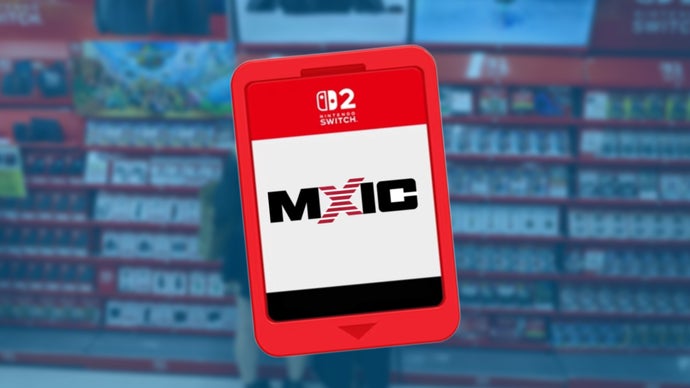
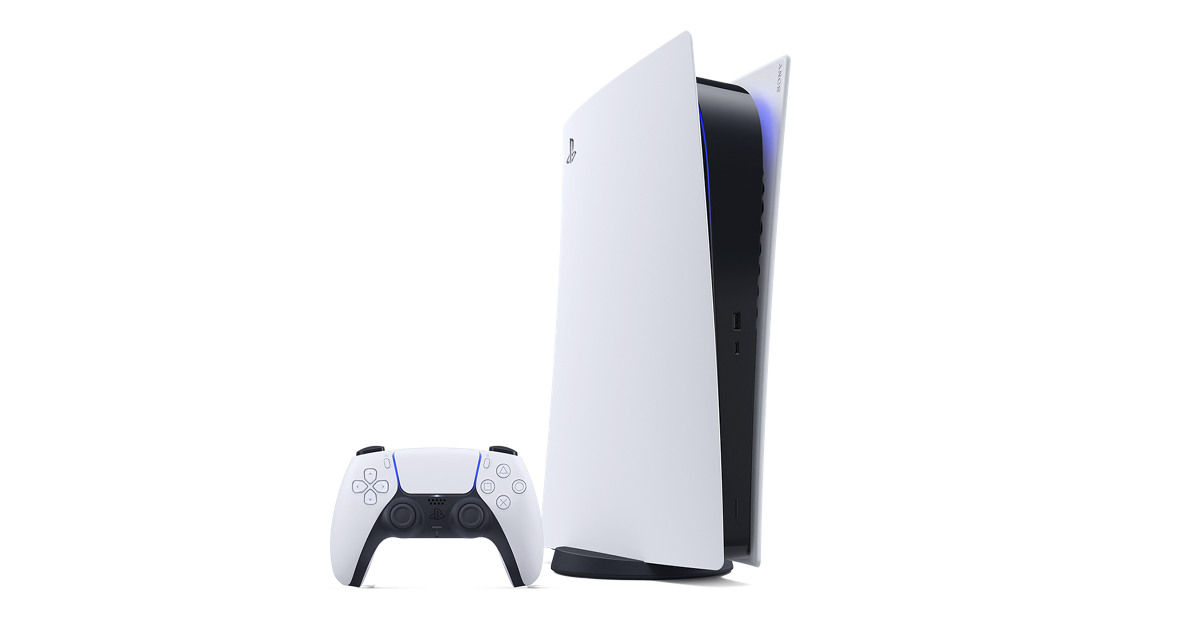
For most of console history, prices fell over a generation. The Wii launched at $249.99 in 2006 and was cut to $199.99 in 2009. This generation is the reverse. The Verge notes that Microsoft has raised the Xbox Series S starting price from $299 to $499 over several increases, and the PS5 now starts at $649 in the US. The pressure is memory: data centres building AI systems are buying DRAM and flash, and one of Nintendo's cartridge suppliers, Macronix, has said it will leave the ROM business to focus on data-centre memory.
Nintendo is in a slightly better position than its rivals because it secured memory early, and the inventory jump shows it.
My take: what it means for players
I read this as "no new price rise before Christmas", not "no new price rise ever". Furukawa's wording is careful: not considering it now, but ready to if costs stay high. With more expensive parts feeding into production from October, the risk grows in 2027, not this month.
So if you have been waiting to buy a Switch 2, I would not wait for a price cut. The trend across the industry since the 2006-era Wii cut is gone, and Nintendo itself says the next few weeks are crucial to hitting its targets, so look for bundles rather than lower prices. Players in Malaysia and the rest of Southeast Asia should also remember that local prices are set by distributors and retailers. We have not verified any change to official ringgit, Singapore dollar or peso prices since September.
The 18.8% software growth is the reassuring part. People who already own a Switch 2 are buying more games, and that is what keeps a console healthy, whatever the hardware number says.
What we don't know yet
- 2027 prices. Nintendo has not said how long it can absorb higher memory costs.
- Cartridge supply. Nintendo has not commented on how Macronix's exit affects game card production.
- SEA prices. We have not confirmed whether the September increase changed official prices in Malaysia, Singapore or the Philippines.
- Game prices. Nintendo says it will price each game separately, but has not named upcoming prices.
Quick facts
| Key | Value |
|---|---|
| Statement date | November 5, 2026 (half-year results) |
| Switch 2 US price | $499 after a $50 rise in September |
| Switch 2 shipments, April-September | 6.49 million (down 37.4%) |
| Switch 2 software, April-September | 24.49 million (up 18.8%) |
| Full-year Switch 2 forecast | 16.5 million, unchanged |
| Inventory, end of September | 814.5 billion yen |
FAQ
Will the Switch 2 get more expensive again?
Nintendo says it is not considering another price change now. Furukawa added that it would consider one if rising costs cannot be absorbed over the medium to long term.
How much does the Switch 2 cost in the US?
The Verge reports $499 after a $50 increase that took effect in September 2026.
How many Switch 2 consoles has Nintendo sold?
Nintendo said the installed base has passed 25 million. It shipped 6.49 million units from April to September 2026.
Are Switch 2 game prices going up?
Nintendo says it will set prices game by game, based on each title's value, and that memory costs affect software less than hardware.
More: Macronix is leaving the ROM chip business that Switch 2 cartridges rely on.
Sources: Nintendo (IR results material); The Verge (citing Reuters); Game*Spark; TechPowerUp.